July 15, 2026
Maintaining an efficient plumbing system is critical for the safety, comfort, and financial well-being of property owners. Whether managing a residential home or a commercial facility, a well-functioning infrastructure ensures that clean water flows reliably without unexpected waste or costly operational interruptions. Unfortunately, many property managers and homeowners overlook the early warning signs of an aging or failing system, which frequently leads to catastrophic property damage and inflated emergency repair bills over time. Partnering with professional plumbing contractors allows property owners to identify underlying vulnerabilities early, keeping systems fully compliant with modern safety and efficiency standards while safeguarding the long-term value of the real estate asset.
Recognizing the Risks of Persistent Leaks
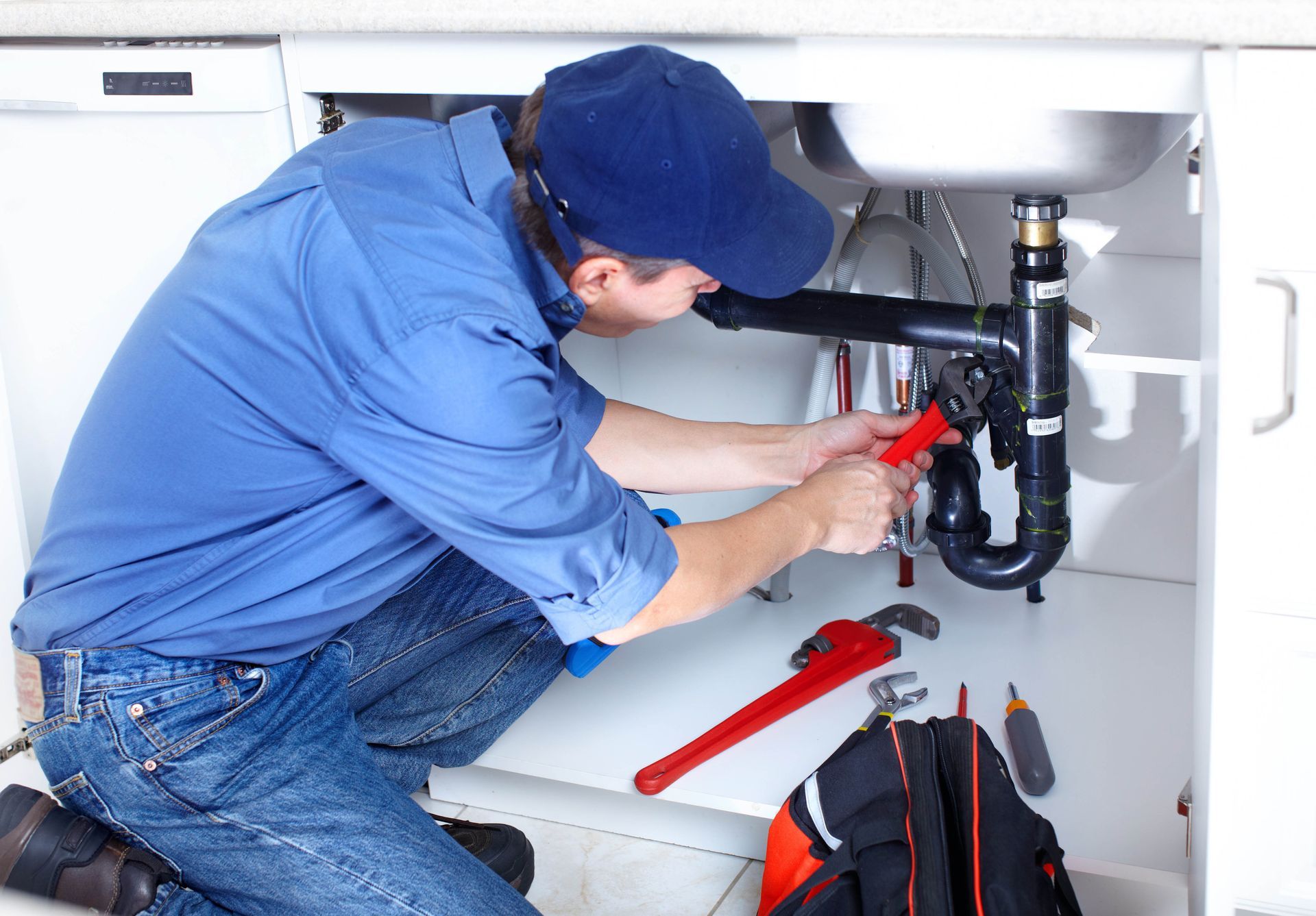
Visible water leaks serve as one of the most immediate indicators that a system requires professional modernization. Minor drips around faucets, fixtures, or exposed structural pipes are frequently dismissed as simple aesthetic nuisances, yet they usually signal much larger issues hidden deep within the walls or utility lines. Over time, continuous moisture leads to severe structural decay, compromised drywall, and hazardous black mold growth that severely threatens indoor air quality. By addressing these minor failures before they escalate, owners prevent the progressive destruction of their building's internal framework.
Persistent leaks are typically caused by structural pipe corrosion, excessive supply line pressure, or substandard initial installation practices. Older properties rely heavily on traditional metals that naturally break down, thin, and fracture after decades of continuous service. When a system reaches this stage of deterioration, patch repairs offer nothing more than temporary relief while expanding the risk of a major burst. Experienced plumbing contractors can evaluate the overall structural integrity of the network to determine if localized component replacement or a complete system repiping is necessary to permanently secure the property.
Beyond physical damage, the environmental and financial impacts of unresolved leaks are substantial. A single dripping valve or pinhole pipe leak can silently waste thousands of gallons of clean water annually, manifesting as mysteriously escalating monthly utility invoices. In an era where resource conservation and sustainable property management are highly prioritized, curbing municipal water waste is an essential corporate and residential responsibility. Modernizing outdated fixtures and installing corrosion-resistant piping networks ensures predictable utility expenses, reduces environmental footprints, and guarantees long-term system dependability.
Addressing Chronic Low Water Pressure
A sudden or progressive drop in water pressure throughout a building is a clear indication that the internal plumbing network is suffering from a restriction or structural failure. This issue is frequently traced to severe mineral scale accumulation, internal pipe corrosion, or hidden mainline leaks that divert volume away from terminal fixtures. As internal diameters narrow due to years of hard water calcification, the system must work significantly harder to deliver baseline volume. Identifying the precise source of pressure loss requires a comprehensive diagnostic evaluation of the valves, regulators, and distribution lines.
Diminished water pressure disrupts vital daily routines, reduces the functional efficiency of commercial operations, and places undue mechanical strain on major appliances. Commercial dishwashers, industrial washing machines, and localized facility equipment require specific, consistent flow rates to operate safely and effectively. When pressure drops below operational thresholds, cycle times lengthen, energy consumption spikes, and expensive internal components fail prematurely. Restoring the appropriate system volume ensures that daily processes remain productive and capital equipment remains fully operational.
Managing Infrastructure Aging and Discolored Water
The appearance of red, brown, or yellow discolored water from interior faucets is a severe warning sign that points directly to advanced internal pipe degradation or heavy sediment accumulation. This discoloration occurs when older galvanized iron or steel lines rust from the inside out, shedding metallic particulates directly into the clean water stream. This issue is not merely cosmetic; it actively stains porcelain sinks, ruins laundry, and damages delicate commercial processing equipment that depends on absolute water purity.
Discolored water introduces potential operational vulnerabilities and safety compliance concerns that require immediate remediation. According to Intel Market Research, approximately 40% of commercial buildings in North America are now over 30 years old, creating a massive surge in the need for frequent structural and safety compliance assessments. As these aging commercial frameworks continue to pass their intended design lifespans, internal utility networks experience widespread component breakdowns, making water quality stabilization a primary concern for modern property managers. Ignoring these changing structural baselines puts compliance standing and structural valuation at risk.
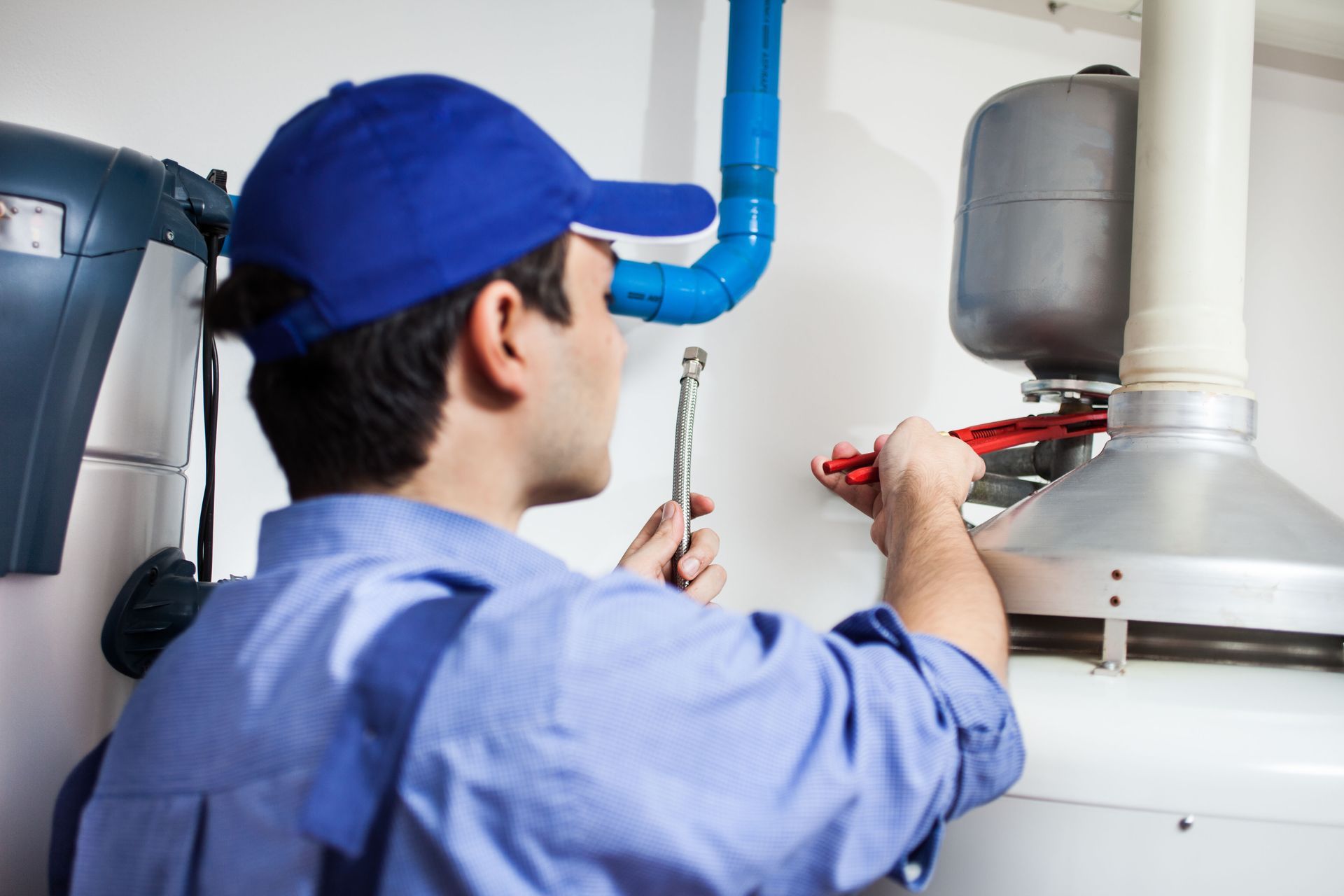
Resolving persistent water clarity issues requires a systematic assessment to locate the exact origin of the oxidized material or sediment buildup. If the discoloration is isolated entirely to hot water delivery lines, the issue may stem from a failing thermal storage tank that requires immediate flushing or total replacement. However, widespread clarity issues affecting both supply lines point to a broader systemic failure of the main piping distribution network. Upgrading outdated, corroding lines to modern, medical-grade materials eliminates rust contamination and secures a clean, pristine water supply for all building occupants.
Mitigating Unusual Noises and Pipe Vibrations
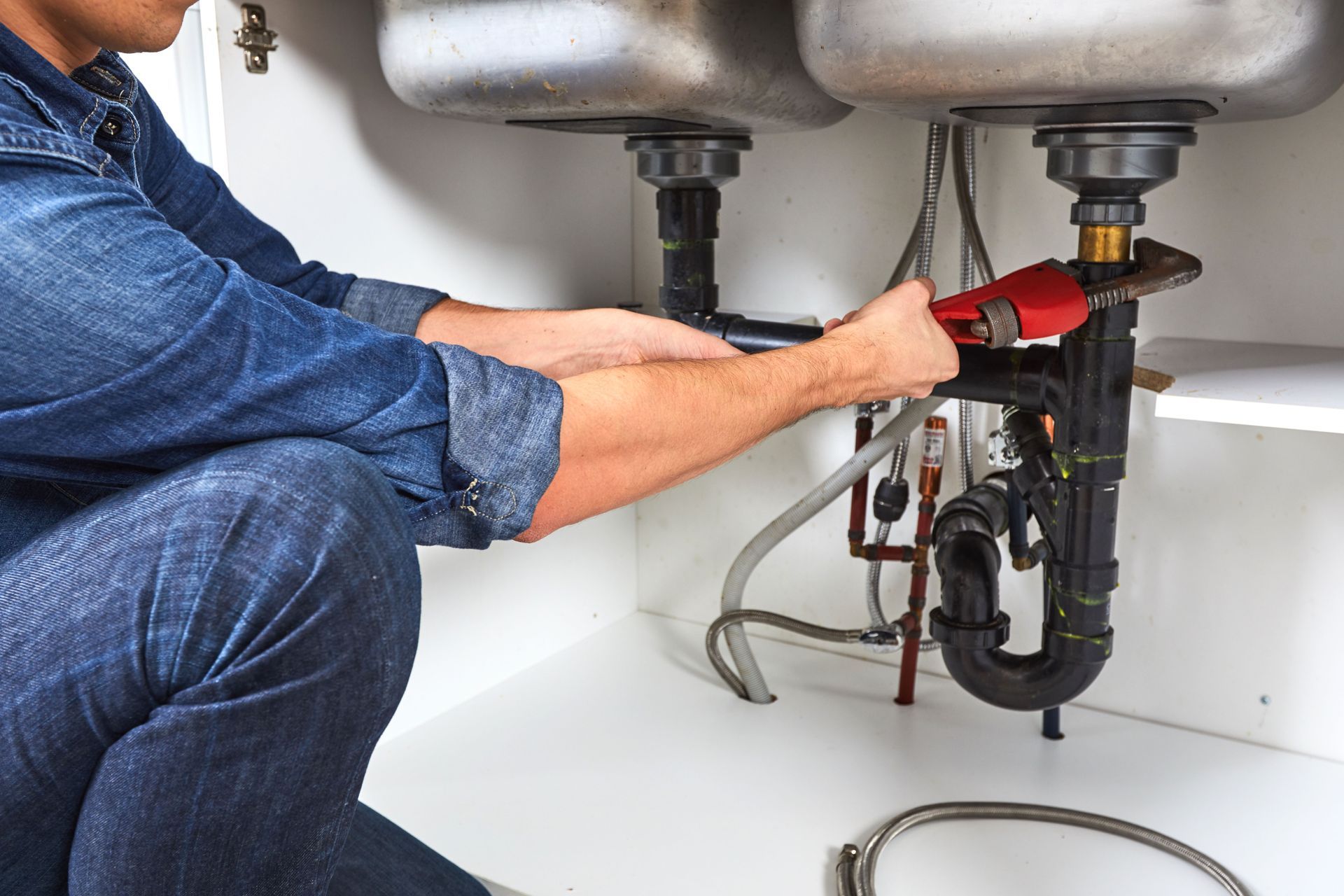
Healthy plumbing infrastructure should operate quietly, making the sudden onset of banging, whistling, or loud gurgling noises a clear symptom of mechanical distress. Banging sounds are commonly caused by a phenomenon known as water hammer, which occurs when high-velocity water suddenly stops or changes direction, generating massive kinetic shock waves through unsecured lines. If these pressure spikes are left unchecked, the repeated physical vibrations weaken mechanical joints, loosen heavy structural hangers, and ultimately trigger major pipe separations.
Whistling or whistling-type noises usually indicate that water is being forced through a highly restricted opening, which points to severe internal mineral scaling or a failing pressure regulator. Conversely, persistent gurgling sounds emanating from drains indicate a restricted waste line or a compromised architectural venting network. When atmospheric venting pathways are blocked by debris or structural damage, the system draws air directly through internal P-traps, leaving building interiors exposed to hazardous sewer gases and volatile organic compounds.
Eliminating these disruptive noises requires structural adjustments and the integration of modern pressure management technology. Qualified plumbing contractors can install industrial water hammer arrestors, realign vibrating pipe brackets, and clear restricted structural vents to equalize distribution pressures. Addressing these auditory warnings early prevents sudden pipe ruptures and eliminates mechanical stress points, restoring quiet, stable, and highly efficient utility operations throughout the entire layout.
Resolving Chronic Drainage Problems and Clogs
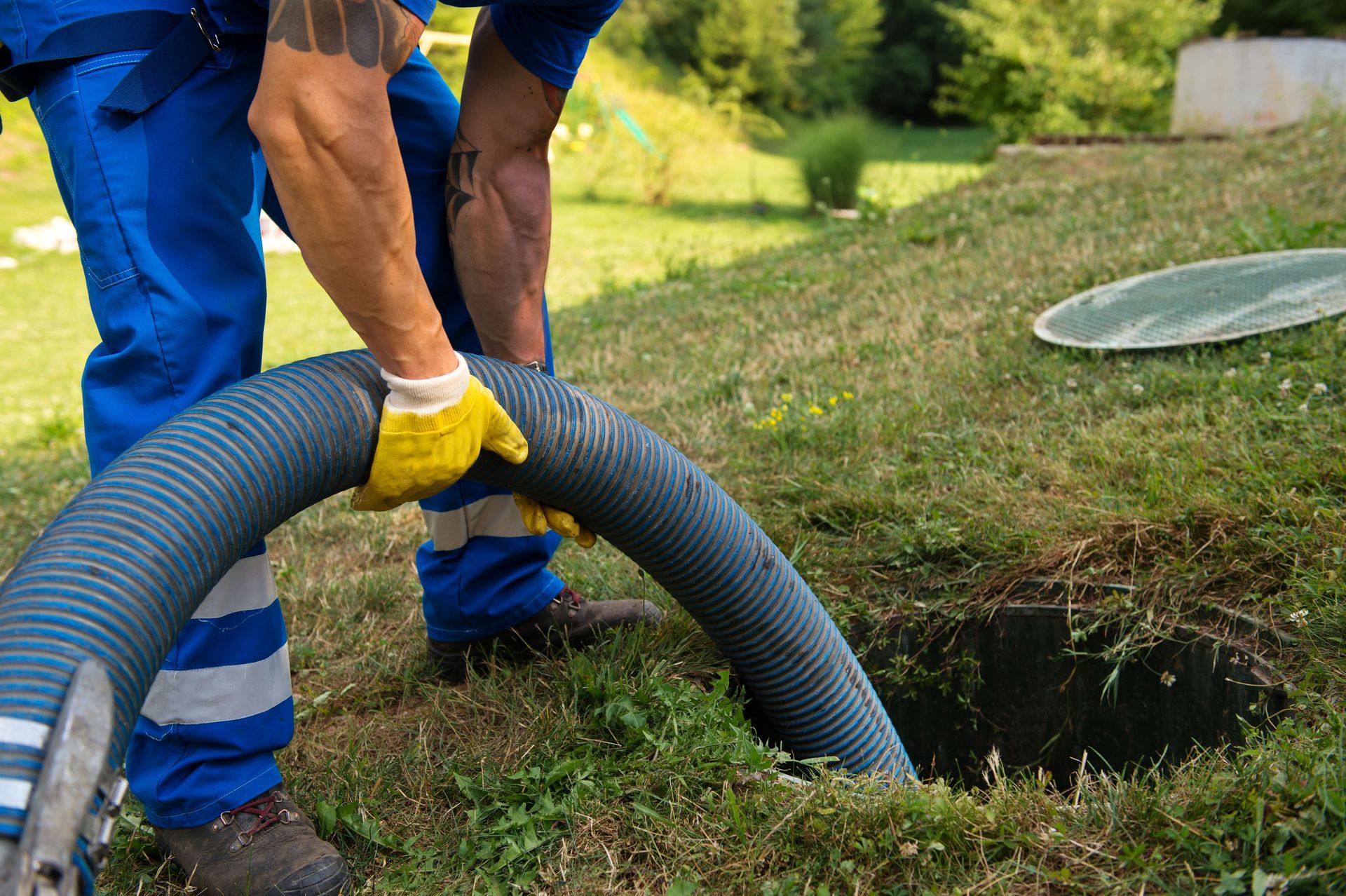
Frequent drain backups, slow-draining basins, and recurring blockages are strong indicators that a building's waste management infrastructure is failing or structurally compromised. Chronic clogs are rarely isolated issues; they typically signify deep-seated structural issues such as tree root intrusions, broken subterranean lines, or decades of accumulated grease and mineral sludge. When waste lines cannot clear efficiently, wastewater backs up into low-lying fixtures, creating severe sanitation hazards and disrupting daily facility usage.
Relying on standard commercial chemical drain cleaners or basic retail plungers provides only temporary relief and can actively accelerate pipeline degradation. Harsh chemical compounds generate intense exothermic reactions that weaken vintage metallic pipes and warp modern PVC connections, compounding the risk of structural failure. When drainage problems become a recurring issue, it is a clear sign that the underlying infrastructure requires comprehensive mechanical cleaning, hydro-jetting, or localized structural pipe lining to restore proper gravity flow.
Proactively recognizing the warning signs of a declining plumbing network is a fundamental element of responsible property management and long-term asset preservation. Addressing issues like chronic leaks, low water pressure, discolored supply water, noisy distribution pipes, and recurring drainage failures prevents minor operational glitches from devolving into structural disasters. Upgrading outdated utility frameworks with modern, eco-friendly materials and advanced pressure management technologies reduces long-term utility expenses, enhances building safety, and ensures full compliance with evolving structural codes. For more information about the services that we offer, reach out to our incredible team at Drain Busters Plumbing today!