November 16, 2026
A steady supply of hot water is an essential component of modern household comfort, enabling everything from warm morning showers to effective dishwashing. When this vital system falters, daily routines come to an abrupt halt, leaving residents shivering and frustrated. Recognizing the signs of system distress early can prevent a minor inconvenience from escalating into a total breakdown. Many homeowners tend to overlook subtle changes in overall performance until they are faced with freezing showers or a flooded basement utility space. Understanding the core mechanics of your system and the common ailments it faces empowers you to make highly informed decisions about maintenance and necessary interventions. While some complex issues require immediate professional water heater repair, having a solid foundational knowledge of how these appliances operate allows you to identify problems accurately as they develop.
Inconsistent Water Temperatures
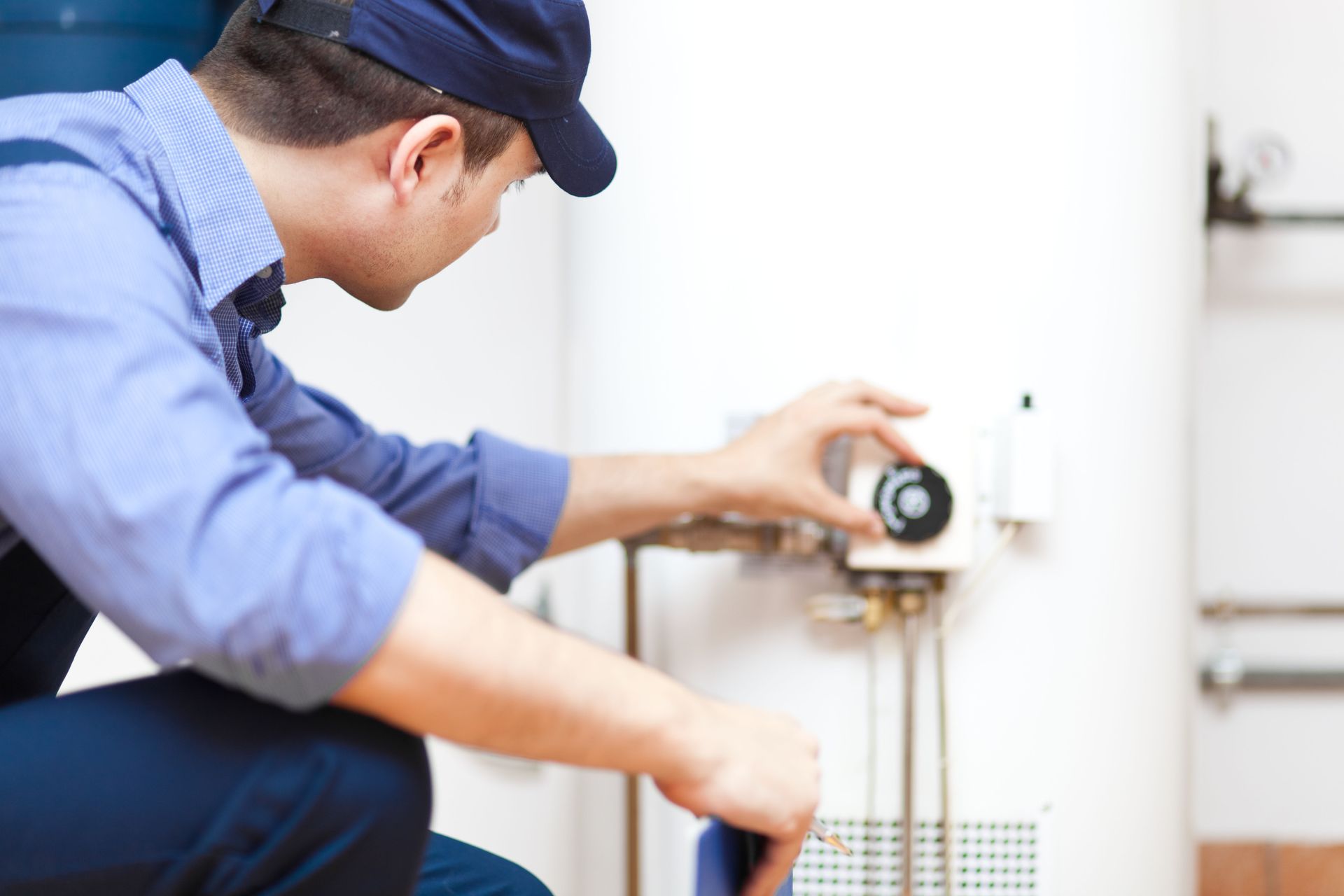
Experiencing sudden fluctuations in shower temperature is incredibly unpleasant and serves as a clear indicator that your system requires immediate attention. When the output fluctuates wildly between scalding hot and freezing cold, the underlying cause often points to malfunctioning internal electrical or gas components. For electric models, upper or lower heating elements can fail or degrade over time due to mineral accumulation or electrical faults. When an element burns out entirely, the unit struggles to maintain a consistent temperature, resulting in lukewarm output during high-demand periods. In gas-powered units, a faulty thermocouple or a failing gas control valve might be restricting the necessary fuel supply, leading to inadequate heating cycles. Adjusting the thermostat dial might seem like an obvious solution, but if internal sensors are broken, manual adjustments yield no positive results. Proper water heater repair involves carefully testing these specific components for continuity and structural functionality. Replacing a burnt-out heating element or installing a functional thermostat restores the delicate balance of temperature control.
Strange Tank Noises
A properly functioning system should operate with a quiet hum, making intrusive noises a significant red flag for attentive homeowners. When you hear loud popping, banging, or rumbling sounds emanating from the utility room, it usually indicates a heavy accumulation of sediment and minerals at the bottom of the storage tank. As the heating cycle initiates, liquid trapped beneath this dense layer of solid debris begins to boil and bubble, forcing its way up and creating those alarming percussion sounds. This mineral buildup drastically reduces the efficiency of the entire household appliance. According to Market Research Future, scale accumulation from hard water forces water heating equipment to consume double the typical amount of energy, driving overall household power expenses up by 20–30%. The longer this thick sediment remains, the harder the appliance must work. Professional water heater repair to address this issue typically involves performing a comprehensive flush of the tank to expel accumulated debris. Regular flushing mitigates the risk of structural tank deterioration.
Discolored or Foul-Smelling Water
Turning on the bathroom faucet only to be greeted by rusty, brown, or foul-smelling liquid is an immediate cause for serious concern. Discolored output typically points to internal corrosion within the metallic storage tank itself or severe degradation of the home plumbing pipes leading to the fixtures. Every conventional tank is equipped with an internal anode rod, a sacrificial metallic component designed specifically to attract corrosive elements and protect the steel lining of the tank walls. Once this protective rod becomes completely depleted from extended use, corrosive forces attack the bare tank lining directly, leading to widespread rust formation. If the flowing liquid smells akin to rotten eggs, heavy bacterial growth inside the warm, dark environment of the tank is the most likely culprit. Resolving these highly unpleasant issues requires prompt water heater repair to evaluate the overall extent of the internal rust damage. Replacing a heavily depleted anode rod can halt the active progression of rust, while flushing the system restores purity.
Moisture Leaks Around the Base
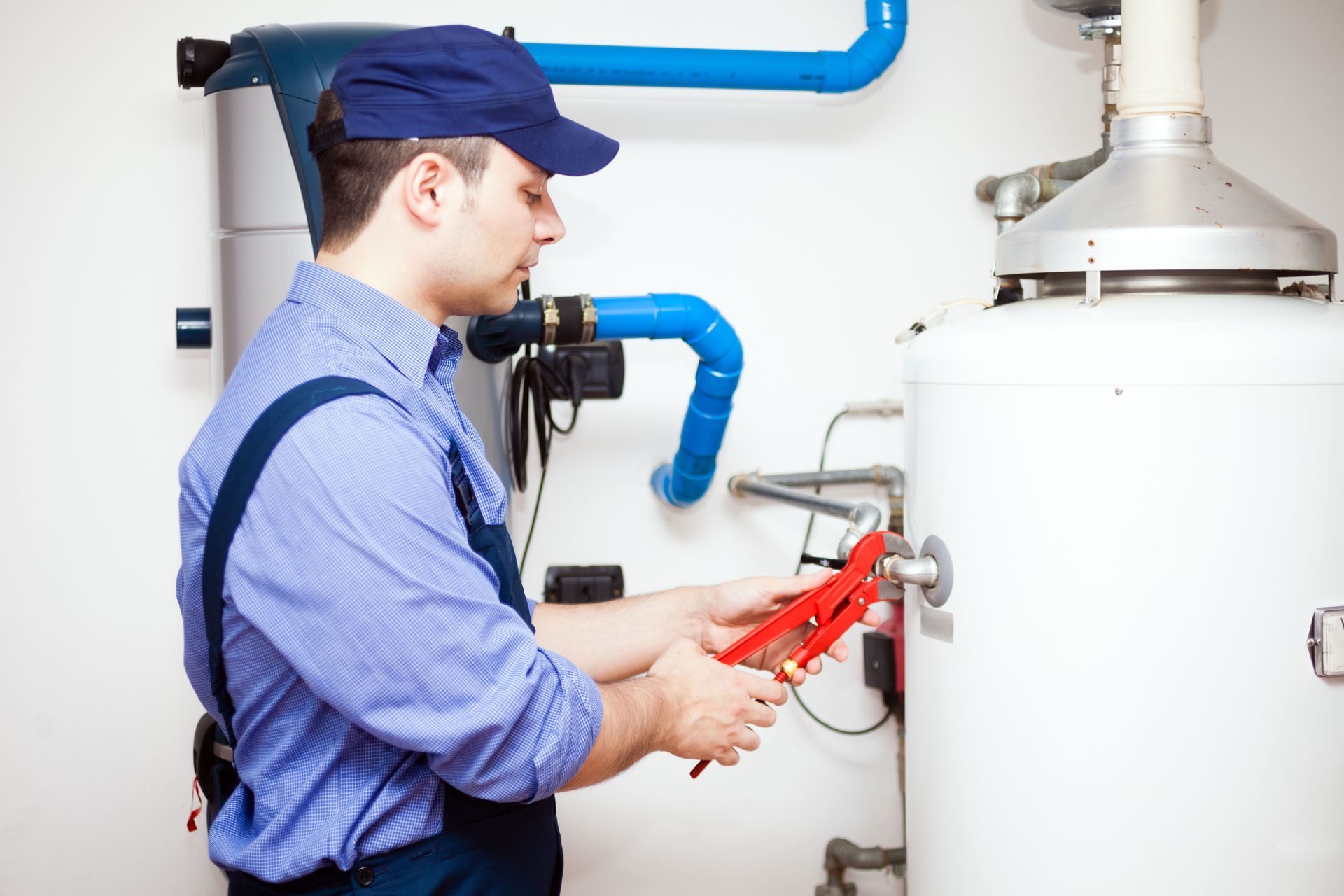
Discovering a noticeable puddle of moisture pooling directly around the base of your appliance is a critical situation that demands immediate investigation. Moisture leaks can originate from multiple external connection points, such as loose supply lines, a faulty temperature and pressure relief valve, or a heavily deteriorated drain valve near the floor. Sometimes, merely tightening loose metal fittings or replacing a worn-out rubber valve gasket is enough to stop the moisture from continuously escaping. However, if the warm moisture is seeping directly through the painted metal casing of the tank itself, it signals a critical structural failure of the inner lining. Internal tank wall fractures are generally irreversible and indicate that the heating unit has reached the very end of its functional lifespan. Comprehensive water heater repair involves carefully tracing the visual path of the moisture back to its exact origin point. Identifying a simple faulty valve allows for a targeted external component replacement, saving the larger appliance from further rust degradation.
Low Hot Water Pressure
A sudden drop or gradual decline in flow pressure specifically from your hot output faucets can severely impact the daily functionality of your kitchen and bathrooms. When the cold tap delivery maintains strong pressure but the hot tap delivery merely drips, the flow restriction is entirely isolated within the heating appliance or its immediate outgoing pipes. Over extended periods of regular use, the same scale and mineral deposits that cause internal noises and heating inefficiencies can accumulate inside the narrower passages of the top outlet pipes, blocking the smooth outward flow of liquid. Additionally, older mechanical shut-off valves can become partially stuck in a restrictive closed position, heavily limiting the volume of liquid that can enter or exit the main tank. Diagnosing this flow restriction requires systematic water heater repair techniques to evaluate the internal condition of the pipes and valves connected directly to the unit. Clearing away mineral blockages or installing modern valves completely restores the robust water pressure needed for comfortable showers.
Persistent Pilot Light Difficulties
Traditional gas-powered heating models rely on a continuous pilot flame to ignite the main heating burner whenever the internal thermostat calls for heat. If you discover that your pilot flame extinguishes frequently or refuses to ignite entirely, your home will quickly lose its supply of warmth. The thermocouple is a vital safety sensor located next to the pilot flame, designed to shut off the gas valve if the flame blows out unexpectedly. If this critical sensor becomes coated in soot, bends out of alignment, or fails, it will continuously block the gas flow, preventing ignition. Additionally, a clogged pilot orifice or inadequate ventilation can suffocate the flame, causing erratic performance. Effective water heater repair for persistent ignition troubles involves cleaning the pilot assembly, testing the thermocouple for proper voltage generation, and ensuring the venting system remains clear of obstructions. Addressing these specific gas components safely restores the reliable heating cycle of your appliance without compromising household safety.
By paying remarkably close attention to sudden temperature fluctuations, strange internal noises, and visual changes in your liquid supply, you can easily address minor mechanical complications before they rapidly escalate into major household disasters. Prompt attention to small mechanical failures actively preserves the overall longevity of your appliance and maintains the uninterrupted comfort of your entire living space.
If you are ready to restore optimal performance to your plumbing system, contact us at Drain Busters Plumbing today. We will help you enjoy reliable and consistent hot water for all your daily needs.