September 16, 2026
Understanding the importance of regular maintenance and repair for large water tanks is crucial for both operational efficiency and long-term system longevity. Water heaters play a vital role in both residential and commercial settings, providing the necessary warm water for cleaning, sanitation, and daily personal comfort. The average operational lifespan of a heavy-duty water heater can be significantly extended with thoughtful care, routine monitoring, and timely water heater repair. By committing to an organized upkeep routine, addressing minor mechanical defects promptly, and recognizing when system components are under strain, property owners can effectively avoid premature equipment failure, catastrophic water damage, and exorbitant full-system replacement expenses. Maintaining peak operating performance over many years requires a solid understanding of how these storage systems function, what primary stressors impact them, and what routine servicing involves.
Understanding Your Large Water Heater System
Large water heater systems consist of several vital mechanical and electrical components that work in tandem to heat, regulate, and store water effectively for high-demand applications. The primary structural element is the heavy-gauge steel storage vessel itself, which operates alongside specialized heating elements or gas burners, high-precision thermostats, safety valves, and a sacrificial anode rod. According to This Old House, tank water heaters are the most widely used type of water heater, storing heated water in a reservoir that can hold up to 120 gallons. Recognizing how these distinct mechanical parts interact allows property owners to identify potential operational failures early and schedule appropriate preventive maintenance before complete system downtime occurs.
Large-capacity models differ from standard residential units primarily in their volumetric capacity, physical footprint, insulation density, and recovery rates. High-demand environments require robust heating elements and advanced protective tank linings to withstand continuous heating cycles and high throughput. Understanding these specific features enables users to monitor operating parameters correctly and accurately determine when specialized tools, replacement parts, or licensed technical skills are required to address an operational breakdown.
Addressing Common Performance Issues
Common operational problems in large storage systems usually manifest through clear physical and performance symptoms. Fluctuating water temperatures, unexpected delays in hot water recovery, unusual banging or rumbling sounds, rusty water discoloration, or small water pools around the base of the tank all indicate that internal components need immediate attention. Prompt water heater repair is critical when dealing with heating element degradation, burner malfunction, or thermostat calibration failure, as neglecting these warning signs can quickly lead to total heating failure, structural leaks, or severe safety hazards within the building.
Sediment accumulation remains one of the primary contributors to diminished heating output and mechanical noise in regions with hard water. As dissolved minerals settle out of suspension and collect at the bottom of the tank, they form an insulating layer that blocks efficient heat transfer, forcing the burner or lower element to run longer while causing the base of the tank to overheat. Regular tank flushing, combined with routine inspections of temperature and pressure relief valves, mitigates these common mechanical problems, prevents scale buildup, and ensures safe, predictable system operation year-round.
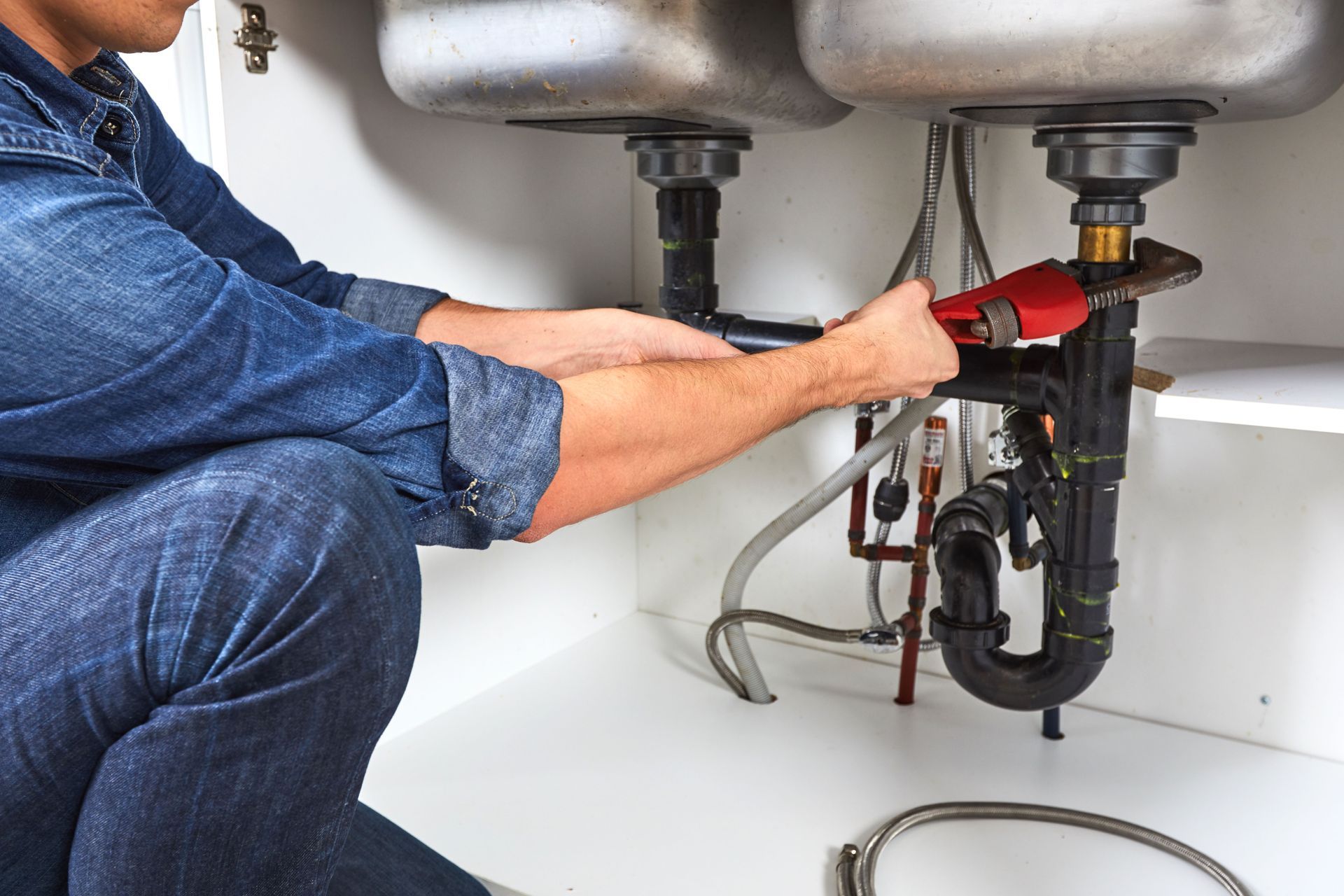
Another frequently encountered issue involves premature tank corrosion caused by depleted protective components or unmitigated stray electrical currents. When protective measures fail, internal steel surfaces become vulnerable to aggressive oxidation, eventually leading to pinpoint leaks along seam welds or pipe connection points. Timely diagnostic checks help isolate whether a leak stems from a simple threaded fitting or structural tank compromise. Resolving these issues early protects nearby flooring and walls from moisture damage while keeping energy consumption within optimal limits.
Implementing Routine Upkeep Techniques
Establishing a comprehensive annual maintenance routine is fundamental to protecting your water heating setup against premature wear and sudden system failure. Key maintenance tasks include evaluating pipe insulation integrity, checking electrical terminals for corrosion or overheating, and monitoring the condition of the sacrificial anode rod. The anode rod plays a vital role by attracting corrosive elements present within the water supply; replacing this component every few years prevents the steel tank itself from rusting through and leaking.
Flushing the primary water vessel every six to twelve months effectively removes accumulated mineral sludge and restores proper heat conductivity across the tank floor. Additionally, adding specialized external insulation blankets to older models and insulating exposed hot and cold water supply lines minimizes standby heat loss, significantly reducing the energy demand placed on internal heating elements. These straightforward preventative measures keep utility bills manageable and dramatically reduce the need for emergency repair services over the operational lifetime of the appliance.
Routine care should also include checking the surrounding area for proper ventilation, clearance, and moisture levels. Ensuring that gas combustion vents remain free of blockages and that electrical panels are accessible promotes both physical safety and operational longevity. Documenting each maintenance action in a dedicated service log helps track component age and performance trends over time, making it much easier to schedule proactive professional replacements before parts fail unexpectedly during peak usage periods.
Evaluating Professional Water Heater Repair Solutions
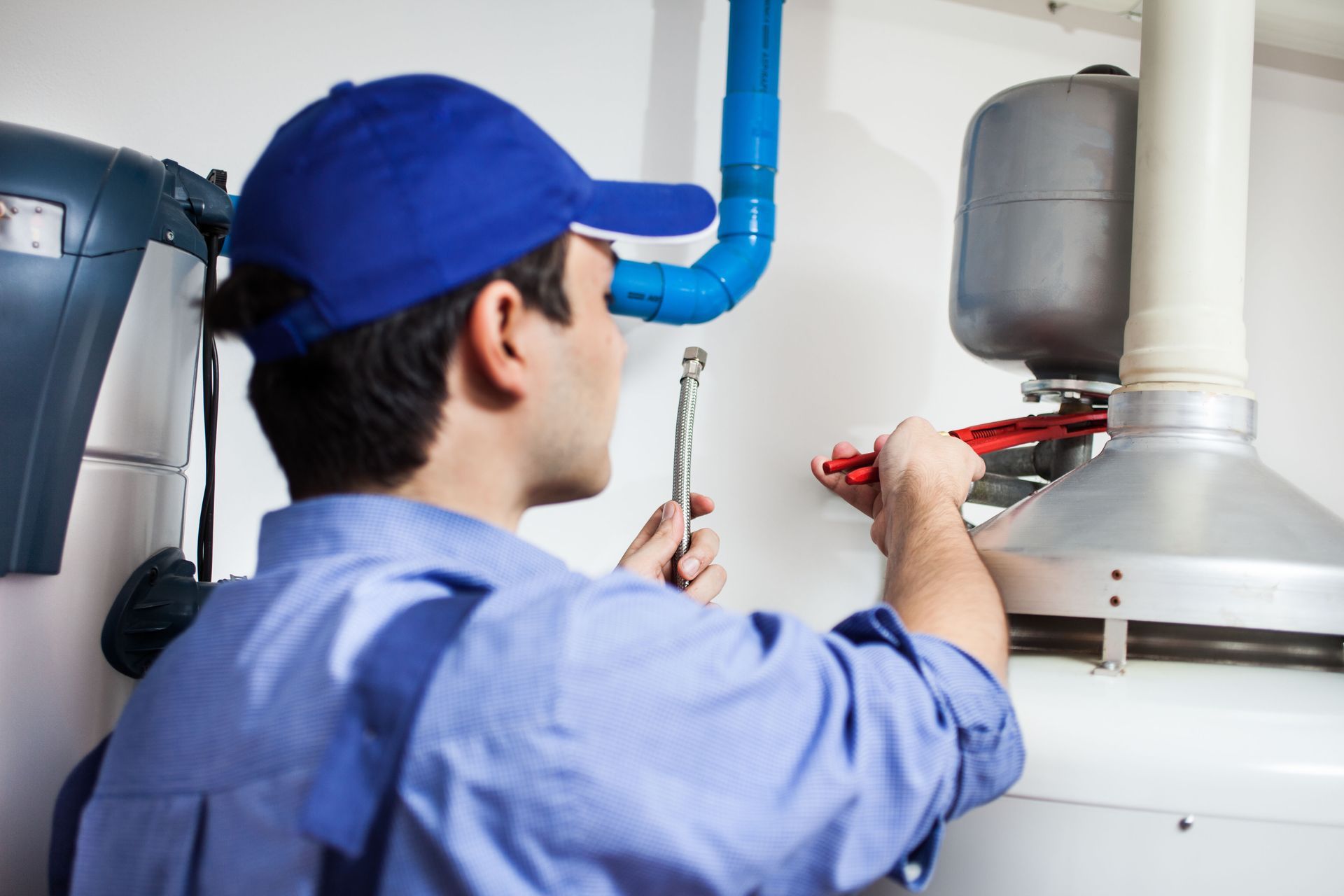
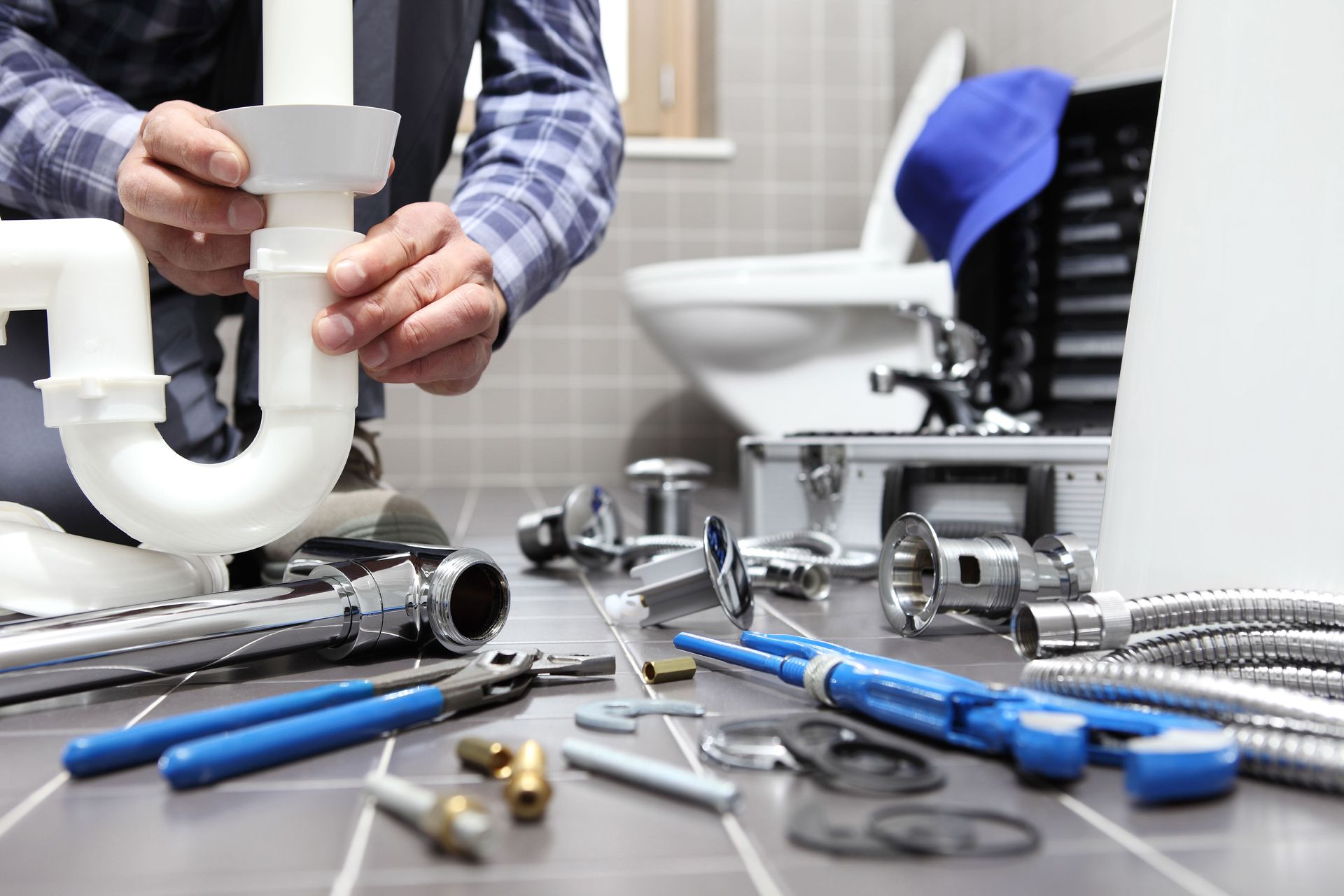
Managing high-capacity water heating equipment requires a clear understanding of when system adjustments exceed simple observation and demand specialized intervention. Professional water heater repair encompasses a wide range of technical services, including replacing burnt-out upper or lower heating elements, recalibrating dual thermostats, replacing worn inlet connections, and servicing temperature and pressure relief valves. Because high-voltage electrical circuits and pressurized hot water carry inherent safety risks, relying on qualified technicians ensures that these delicate tasks are completed in total alignment with manufacturer standards.
During a professional diagnostic service, technicians utilize advanced equipment such as digital multimeters to verify correct electrical voltage, check ground integrity, and test continuity across internal heating elements and safety switches. When minor component wear is identified, technicians can swiftly replace damaged washers, clear internal pipe blockages, or re-seal high-pressure threaded joints to restore peak operational efficiency. However, if diagnostic testing reveals that a leak originates directly from the main welded steel vessel rather than an external valve, fitting, or gasket, structural repair is generally unfeasible, making planned system replacement the safest solution.
Professional plumbing teams follow strict safety protocols during every repair phase, including complete electrical circuit isolation, fuel line shutoff, and controlled pressure release. Handling high-temperature water inside a large storage vessel requires heavy-duty discharge equipment and strict containment methods to prevent property damage or flooding. Trusting experienced plumbers to handle complex technical repairs guarantees that all work is completed efficiently, safely, and without introducing operational risks or compromising your property's overarching plumbing network.
Recognizing When to Seek Professional Support
While basic visual monitoring can be conducted by property owners, complex structural failures, main gas line adjustments, and major electrical faults strictly require qualified technical intervention. Severe tank corrosion, persistent pressure imbalances, main line ruptures, gas control valve failures, and major burner ignition malfunctions demand specialized diagnostic tools and licensed plumbing expertise. Professional plumbers ensure that all structural modifications, gas connections, and electrical wiring align strictly with regional building codes and safety regulations, preserving structural integrity and keeping manufacturer warranties intact.
Investing in professional servicing ensures that hidden mechanical flaws, hidden corrosion, or subtle electrical issues are identified and corrected long before they cause extensive property water damage or high repair bills. Licensed plumbers bring comprehensive diagnostics, structural assessments, and guaranteed repair solutions that restore maximum operating efficiency to your equipment. For more information about the services that we offer, reach out to our incredible team at Drain Busters Plumbing today!